Are you planning to buy insecticides and pesticides in Pakistan but unsure about wholesale prices, product types, supplier reliability, and crop suitability?
Insecticides and pesticides Price in Pakistan are essential for protecting crops from insects, weeds, fungal diseases, mites, and other field threats. In 2026, prices depend on active ingredient, formulation, brand, origin, packaging size, import cost, registration status, and order quantity. Bulk buyers should compare wholesale rates, but they should also verify product authenticity, expiry date, label details, and supplier credibility before purchase.
Why Insecticides and Pesticides Matter in Pakistan
In Pakistan, crop protection is not optional. Farmers face pest attacks, fungal diseases, weeds, mites, and seasonal crop stress. A single pest outbreak can damage yield, reduce quality, and increase production costs. This is why insecticides and pesticides remain important for crops such as cotton, rice, wheat, sugarcane, maize, vegetables, mango, citrus, and other fruits.
For farmers, the right pesticide can protect months of effort. For dealers, wholesalers, and agri-input shops, pesticides are fast-moving seasonal products. During cotton, rice, vegetable, and orchard seasons, demand can rise quickly because farmers need timely pest control.
However, pesticide buying requires care. A wrong product, a fake product, expired stock, or incorrect dose can damage crops and waste money. Business Recorder reported in January 2026 that counterfeit and adulterated pesticides remain a serious problem in Pakistan and can affect productivity, farmer incomes, environmental sustainability, and fair market competition.
For buyers who want to explore agriculture-related sourcing, Alahdeen offers the Agriculture Category. For related storage, packaging, tools, and business supplies, buyers can also visit Industrial Supplies.
Insecticides and Pesticides Price Guide in Pakistan 2026
Insecticide and pesticide prices in Pakistan change regularly because many active ingredients are imported or linked with global agrochemical supply chains. Rates also vary by formulation, brand, concentration, bottle size, crop demand, and supplier stock.
Liquid insecticides in 250ml, 500ml, 1L, and 5L packaging usually vary by active ingredient and concentration. Products used for cotton pests, vegetable pests, rice pests, or orchard insects may sit in different price ranges. Granular pesticides and soil-applied products may be priced differently because they are sold by weight and used for specific soil or crop treatments.
Fungicides are often used for vegetables, fruits, rice, wheat, and orchard diseases. Their prices can be medium to high depending on whether the product is contact, systemic, imported, branded, or specialty-grade. Herbicides are used for weed control in wheat, rice, maize, sugarcane, and other field crops. Their rates depend on active ingredient, formulation, and crop target.
Acaricides, used for mites, can be higher-priced because they are often targeted products for vegetables, orchards, cotton, and high-value crops. Bio-pesticides and organic pest-control products may also cost more depending on formulation, brand, and imported content.
Buyers should treat every rate as a live market rate. A product available at one price today may change before the next crop season because of exchange rate movement, import stock, demand, or company price revisions.
Common Types of Pesticides Used in Pakistan
Pesticides are not one single product category. Each type has a different purpose, crop use, and application method.
Insecticides
Insecticides are used to control insects such as whitefly, jassid, aphid, thrips, bollworms, leaf folder, stem borer, fruit fly, and other crop pests. Cotton, rice, vegetables, and orchards often require insecticide use during pest pressure.
Stay informed with the Alahdeen Blog: https://alahdeen.com/blogs/blogs-list/
The right insecticide should be selected according to pest type, crop stage, resistance risk, and label recommendation. Farmers should avoid using the same mode of action repeatedly because pest resistance can develop.
Fungicides
Fungicides are used to control fungal diseases such as blight, rust, powdery mildew, downy mildew, leaf spot, fruit rot, and sheath blight. Vegetables, fruits, rice, wheat, and orchards often need fungicides during humid or disease-prone conditions.
Some fungicides are preventive, while others are curative. Buyers should confirm product type before purchasing.
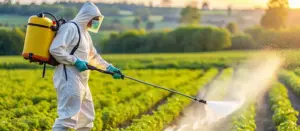
Herbicides
Herbicides are used to control weeds in crops such as wheat, rice, maize, sugarcane, and vegetables. Weed control is important because weeds compete with crops for nutrients, water, light, and space.
Wrong herbicide selection can damage the crop. Farmers should use herbicides only according to crop label, weed type, timing, and dose.
Acaricides
Acaricides are used to control mites, which are common in vegetables, cotton, orchards, and nursery crops. Mite attacks can spread quickly, especially in hot and dry conditions. Acaricides should be selected carefully because mites can develop resistance if the same product is overused.
Bio-Pesticides
Bio-pesticides are used by farmers who want safer or more sustainable pest management options. They may be used in vegetables, orchards, organic farming, and integrated pest management programs.
However, bio-pesticides need proper timing and application. They may not work the same way as strong chemical pesticides, so farmers should understand their use before buying.
What Affects Insecticides and Pesticides Prices?
Insecticides and pesticides prices in Pakistan depend on several factors. The first major factor is the active ingredient. Products with newer or imported active ingredients usually cost more than older or locally formulated products.
The second factor is formulation. EC, SC, WG, WDG, WP, SL, GR, and other formulations can have different prices because of the manufacturing process, stability, and application method. The third factor is concentration. A higher-concentration product may cost more per bottle but may cover more area if used correctly.
The fourth factor is brand and registration. Registered products from reliable companies usually carry more buyer confidence. The fifth factor is import cost. Since many technical-grade pesticide ingredients are imported, exchange rate, freight, and duties affect final market prices.
The Competition Commission of Pakistan’s pesticide industry report noted that in Pakistan, around 80% of pesticide imports are technical-grade products used for local formulation, while around 20% are finished products. This shows how strongly local pesticide pricing is connected with imported raw material and formulation activity.
Why Wholesale Buying Matters for Pesticide Dealers
Wholesale buying is important for pesticide dealers because demand rises quickly during crop seasons. If a dealer does not have stock when pest pressure increases, farmers may buy from another shop. At the same time, overstocking the wrong product can block cash and create expiry risk.
A good dealer should plan stock according to local crops. A cotton-area dealer needs different products from a rice-area dealer. A vegetable-market dealer needs more fungicides, insecticides, and specialty products. An orchard-area dealer may need acaricides, fungicides, fruit fly control products, and micronutrients.
Wholesale buying can improve margin, but only if the product is genuine, registered, properly stored, and in demand.
How to Check Product Quality Before Buying
Before buying insecticides or pesticides in bulk, buyers should inspect the label, seal, batch number, manufacturing date, expiry date, registration details, company name, active ingredient, dose instructions, and packaging condition.
The bottle or pack should not be leaking, damaged, faded, or resealed. The label should be clear and readable. The expiry date should not be scratched or overwritten. If the product is liquid, buyers should check whether the product looks separated, unusually thick, or suspicious.
Dealers should keep purchase invoices and batch records. These records are important if a customer complaint appears later.
How to Avoid Fake and Adulterated Pesticides
Fake pesticides can cause serious loss. A farmer may spray the product but see no result. In some cases, the crop may suffer more damage because the pest continues to spread. In other cases, poor-quality formulation may burn leaves or damage plants.
To avoid fake pesticides, buy from trusted suppliers and authorized distributors. Avoid loose, repacked, or unlabeled products. Do not buy products that are much cheaper than normal market rates without verification. Always check registration details, seal, expiry date, and invoice.
Bulk buyers should test new suppliers with small orders before purchasing large quantities. If a supplier refuses to provide proper details, it is better to avoid the stock.
Best Pesticides for Different Crops
Different crops face different pest and disease problems. Buyers should match pesticide stock with local crop demand.
Cotton
Cotton may require insecticides for whitefly, jassid, thrips, aphid, and bollworms. Cotton buyers should also consider resistance management and avoid repeated use of the same chemistry.
Rice
Rice may need insecticides for stem borer, leaf folder, plant hoppers, and other pests. Fungicides may also be needed for diseases such as sheath blight and blast, depending on area and season.
Wheat
Wheat commonly needs herbicides for weed control and fungicides where rust or other disease pressure appears. Farmers should select products based on crop stage and weed or disease type.
Sugarcane
Sugarcane may require insecticides for borers and soil pests, along with herbicides for weed management. Since sugarcane is a long-duration crop, pest monitoring is important.
Vegetables
Vegetables often need insecticides, fungicides, acaricides, and bio-pesticides because they are high-value and sensitive crops. Product selection should be careful because harvest interval and safety instructions matter.
Orchards
Mango, citrus, guava, and other orchards may need fungicides, acaricides, fruit fly control, and insecticides depending on pest pressure. Orchard products should be selected according to crop stage and safety guidance.
Safety Tips for Pesticide Handling
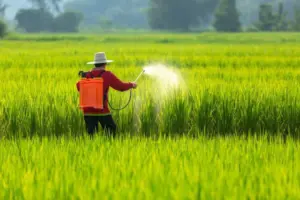
Pesticides should be handled carefully because they can be harmful if misused. Farmers and spray workers should read label instructions, use proper dose, wear protective clothing, avoid spraying in strong wind, and wash hands after handling.
Pesticides should not be stored near food, animal feed, drinking water, or household items. Empty containers should not be reused. Children and animals should be kept away from pesticide storage areas.
Retailers and wholesalers should store pesticides in a ventilated, dry, and secure place. Products should be arranged by type and expiry date so older stock is sold first.
- Link to “Buy Imported Fertilizers in Pakistan Direct Wholesale Price 2026.”
How Alahdeen Helps Insecticide and Pesticide Buyers
Alahdeen helps buyers explore agriculture-related categories and connect with suppliers more efficiently. For pesticide dealers, wholesalers, agri-input shops, and bulk buyers, this can reduce sourcing time and improve supplier comparison.
Instead of depending on only one local supplier, buyers can explore product categories, compare supplier options, and request quotations according to their quantity. This is useful in the pesticide market because price, availability, and supplier reliability can change quickly.
For agriculture-related sourcing, start with Alahdeen’s Agriculture Category. For related storage, packaging, safety, and business supplies, visit Industrial Supplies.
Common Mistakes Buyers Should Avoid
Many buyers make the mistake of choosing pesticides only by low price. A low-priced product can become costly if it is fake, expired, weak, or unsuitable for the pest. Another mistake is not checking the active ingredient. Two products may have different brand names but the same active ingredient. Repeating the same active ingredient too often can increase resistance risk.
Some dealers buy too much stock without checking expiry dates or seasonal demand. This can create dead stock. Others accept damaged or repacked products without proper verification. Farmers should also avoid spraying without identifying the pest properly. Wrong pesticide use wastes money and may harm beneficial insects.
FAQ’s
What is the insecticide price in Pakistan in 2026?
Insecticide prices vary by active ingredient, brand, concentration, formulation, packaging size, and supplier. Buyers should confirm live wholesale rates before purchasing.
What is the difference between insecticides and pesticides?
Insecticides control insects, while pesticides are a broader term that includes insecticides, fungicides, herbicides, acaricides, rodenticides, and other crop protection products.
Why do pesticide prices change in Pakistan?
Prices change because of import costs, exchange rates, technical-grade raw material prices, formulation cost, seasonal demand, brand, packaging, and supplier margin.
How can I avoid fake pesticides?
Buy from trusted suppliers, check seal, label, registration details, active ingredient, batch number, manufacturing date, expiry date, and invoice. Avoid loose or unusually cheap products.
Which pesticides are used for cotton?
Cotton may require insecticides for whitefly, jassid, thrips, aphid, and bollworms. Product selection should be based on pest identification and crop stage.
Which pesticides are used for vegetables?
Vegetables may need insecticides, fungicides, acaricides, and bio-pesticides. Buyers should check harvest interval, safety instructions, and crop label before use.
Can Alahdeen help with pesticide wholesale sourcing?
Yes, Alahdeen helps buyers explore agriculture-related categories and compare supplier options for bulk sourcing.
Should farmers buy pesticides in bulk?
Farmers can buy in bulk if the product is genuine, needed during the season, and stored properly. However, they should avoid overstocking products close to expiry.
Conclusion
Insecticides and pesticides are important for crop protection in Pakistan. In 2026, prices depend on active ingredient, formulation, concentration, brand, origin, packaging, exchange rate, and local demand. Farmers and dealers should not buy only by price. They should check product authenticity, expiry date, registration details, supplier credibility, and crop suitability.
Wholesale buying can reduce cost for dealers and bulk buyers, but it must be done carefully. A genuine product from a reliable supplier is always better than a suspiciously cheap product that can damage crops and customer trust.
Premium Insecticides & Pesticides at Wholesale Prices
Protect your crops with high-quality insecticides and pesticides. Get reliable bulk supply at competitive wholesale prices—request your free quote today.