Are you looking to buy imported fertilizers in Pakistan at direct wholesale prices but unsure which product, supplier, grade, or rate is right for your crop or business?
Imported fertilizers are important for farmers, agri-input dealers, wholesalers, distributors, and large farms that need reliable crop nutrition. In 2026, imported fertilizer prices in Pakistan depend on fertilizer type, origin, exchange rate, import cost, brand, packaging, stock availability, and order quantity. Buyers should compare wholesale rates, but they should also verify product quality, registration, packaging, expiry date, and supplier credibility before placing bulk orders.
Keep reading to know where and how to buy imported fertilizers in Pakistan at direct wholesale prices.
Why Imported Fertilizers Matter in Pakistan
Imported fertilizers in Pakistan matter because Pakistan’s agriculture needs balanced nutrition for better crop growth, yield, and quality. Local fertilizers like urea are widely used, but many farmers and dealers also need imported DAP, SOP, MOP, NPK blends, micronutrients, water-soluble fertilizers, organic fertilizers, and specialty crop nutrition products.
The demand is not only about making crops greener. Imported fertilizers are often used to support root development, flowering, fruit setting, grain filling, sugar recovery, crop quality, and stress tolerance. For vegetables, orchards, cotton, rice, sugarcane, maize, and wheat, the right fertilizer can make a visible difference in crop performance.
Pakistan’s Fertilizer Review 2024–25 reported that the nitrogen-to-phosphate use ratio was 3.68:1, while the recommended ratio is 2:1. This shows that fertilizer use in Pakistan is still imbalanced, especially when farmers rely heavily on nitrogen and do not apply enough phosphorus and potash.
This is one reason imported fertilizers and balanced nutrient products are important for modern farming. Farmers need more than just urea. They need the right combination of nitrogen, phosphorus, potassium, sulfur, zinc, boron, calcium, magnesium, and other nutrients according to crop and soil requirements.
Imported Fertilizer Price Guide in Pakistan 2026
Imported fertilizer prices in Pakistan change regularly because rates are linked with global fertilizer markets, exchange rates, freight, duties, seasonal demand, and local stock availability. Buyers should treat all prices as market-sensitive and confirm live wholesale rates before purchasing.
DAP fertilizer is usually one of the higher-priced imported fertilizers because it is widely used for root development and early crop growth in wheat, rice, cotton, maize, vegetables, and sugarcane. It is commonly sold in 50kg bags and remains a major product for farmers before sowing and early crop stages.
SOP fertilizer, also called sulphate of potash, is also positioned in the high-price category because it supports potassium and sulfur needs. It is often used for fruits, vegetables, sugarcane, potatoes, tobacco, and other crops where quality, fruit size, sweetness, and stress tolerance matter. SOP is usually available in 25kg or 50kg bags.
MOP fertilizer, also known as muriate of potash, usually falls in the medium to high price range. It provides potassium and is used for field crops where chloride sensitivity is not a major issue. Buyers should confirm crop suitability before choosing MOP because not every crop responds the same way.
NPK blends are commonly available in 25kg or 50kg bags and usually fall in the medium to high price range, depending on the nutrient ratio and brand. These fertilizers are useful when farmers need nitrogen, phosphorus, and potassium in one balanced product. Different crops and growth stages require different NPK ratios, so buyers should not select NPK only by price.
Water-soluble fertilizers are usually high-priced because they are used in drip irrigation, fertigation, tunnel farming, vegetables, orchards, nurseries, and high-value crops. These fertilizers dissolve in water and allow better nutrient control, but buyers should check solubility, grade, and compatibility before bulk buying.
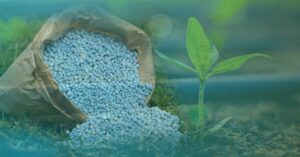
Micronutrient mixes are available in different pack sizes such as 1kg, 5kg, 10kg, and 25kg. Their price usually falls in the medium to high range depending on formulation and nutrient content. These products may include zinc, boron, iron, magnesium, manganese, copper, or other nutrients. Farmers should apply micronutrients based on soil tests, crop symptoms, or expert recommendation.
Humic acid and fulvic acid products are commonly available in bottles, cans, bags, or granule form and usually fall in the medium price range. They are used for soil conditioning, root support, nutrient uptake, and improving soil health. Their quality can vary widely, so buyers should check concentration and supplier credibility.
Organic imported fertilizers are available in bags or cartons and usually fall in the medium to high price range. They are used for soil health, organic matter support, and long-term fertility improvement. These products may be useful for orchards, vegetables, nurseries, and farms focusing on soil improvement.
Calcium nitrate is generally a high-priced fertilizer and is commonly used in vegetables, fruits, flowering crops, and high-value farming. It supports calcium and nitrogen needs and can help improve fruit firmness and crop quality when used correctly. Magnesium sulphate is usually placed in the medium price range and is used for chlorophyll support, deficiency correction, and crop health improvement.
Stay informed with the Alahdeen Blog: https://alahdeen.com/blogs/blogs-list/
Wholesale buyers should remember that imported fertilizer prices are not based only on the product name. Nutrient percentage, country of origin, grade, brand reputation, registration status, packaging quality, and supplier reliability can all affect the final rate.
What Affects Imported Fertilizer Prices in Pakistan?
Imported fertilizer prices are affected by several market factors. The first major factor is the exchange rate. Since imported fertilizers are purchased in foreign currency, rupee movement directly affects landed cost. If the rupee weakens, imported fertilizers usually become more expensive.
The second factor is global fertilizer supply. Fertilizer markets are connected with natural gas prices, shipping routes, production capacity, and export restrictions. Reuters reported in 2026 that fertilizer and fuel price pressures increased globally because of geopolitical tensions and disruption risks around key shipping and production regions.
The third factor is country of origin. Fertilizers imported from China, Saudi Arabia, Qatar, Jordan, Morocco, Russia, Europe, and other regions may carry different prices because of freight, duties, brand, and availability. Trading Economics reported that Pakistan imported USD 266.49 million worth of fertilizers from China in 2025, showing China’s importance in fertilizer supply.
Seasonal demand also affects rates. Fertilizer demand usually rises before wheat, rice, cotton, sugarcane, and vegetable seasons. When demand increases and stock becomes limited, market rates can move upward.
Common Imported Fertilizers Used in Pakistan
Imported fertilizers are available in many forms. The right product depends on crop type, soil condition, irrigation method, growth stage, and budget.
DAP Fertilizer
DAP is one of the most important fertilizers for root development and early crop growth. It is commonly used in wheat, rice, cotton, maize, vegetables, and sugarcane. Imported DAP can be expensive, but many farmers still prefer it because phosphorus is important at early crop stages.
SOP Fertilizer
SOP, also known as sulphate of potash, is used where potassium and sulfur are needed. It is especially useful for fruits, vegetables, sugarcane, tobacco, potatoes, and high-value crops where quality matters.
MOP Fertilizer
MOP, also known as muriate of potash, provides potassium and is often used for field crops. It is generally more affordable than SOP, but crop suitability should be checked because some crops are sensitive to chloride.
NPK Fertilizers
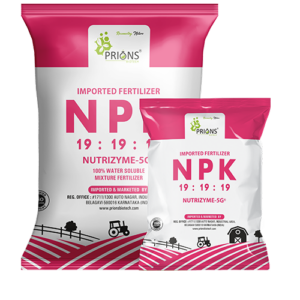
NPK fertilizers provide nitrogen, phosphorus, and potassium in one blend. These are useful when farmers need balanced nutrition in a single product. Different NPK ratios are used for different crops and growth stages.
Water-Soluble Fertilizers
Water-soluble fertilizers are used in drip irrigation, fertigation, tunnel farming, vegetables, orchards, nurseries, and high-value crops. They dissolve in water and allow better nutrient control, but they are usually more expensive.
Micronutrient Fertilizers
Micronutrients such as zinc, boron, iron, manganese, magnesium, and copper are needed in small quantities but can strongly affect crop quality and yield. Farmers should apply micronutrients based on soil tests, crop symptoms, and expert recommendations.
Why Direct Wholesale Buying Helps Dealers and Farmers
Direct wholesale buying can reduce cost, especially for agri-input dealers, retailers, and large farms. When buyers purchase from multiple middlemen, each layer adds margin. Direct wholesale sourcing can help reduce unnecessary markup and improve profit margins.
For retailers, better buying rates mean better resale margins. For large farmers, wholesale rates can reduce seasonal input costs. For distributors, direct sourcing helps maintain stock and serve local dealers more efficiently.
However, wholesale buying should be done carefully. A low price is not useful if the product is fake, expired, damaged, unregistered, or poorly stored. Imported fertilizers should be verified before bulk purchase.
How to Check Imported Fertilizer Quality Before Buying
Imported fertilizers should be checked properly before purchase. Buyers should inspect the packaging, brand name, nutrient percentage, batch number, manufacturing date, expiry date, origin, and importer details.
The bag should not be damaged, wet, clumpy, or repacked. Fertilizers should be stored in dry conditions because moisture can affect quality. If the product has unclear printing, missing details, or damaged packaging, buyers should avoid it.
For bulk purchases, ask for an invoice, import documents where applicable, product registration details, supplier information, and quality documents. Dealers should keep complete purchase records because farmers may return with complaints if the product does not perform.
Imported Fertilizer Buying Checklist
Before buying imported fertilizers in bulk, buyers should check fertilizer type, nutrient percentage, country of origin, brand name, importer details, registration or approval status where applicable, packaging condition, batch number, manufacturing date, expiry date, moisture signs, supplier reputation, wholesale rate, final delivery cost, invoice, payment terms, repeat stock availability, storage conditions, and crop suitability.
This checklist helps buyers reduce the risk of fake, expired, damaged, or unsuitable fertilizers. It is especially important for agri-input dealers and wholesalers because one bad stock purchase can damage customer trust.
Best Imported Fertilizers for Different Crops
Different crops need different fertilizer plans. Farmers should not use the same product for every crop without checking soil and crop requirements.
Wheat
Wheat usually needs nitrogen and phosphorus at the right time. DAP or NP products are commonly used at sowing, while urea is applied in split doses. Zinc may be needed in some soils.
Rice
Rice needs nitrogen, phosphorus, potassium, and zinc where deficiency exists. In flooded soils, zinc deficiency is common in many areas, so zinc fertilizer may be important.
Cotton
Cotton needs balanced nutrition for plant growth, flowering, boll setting, and fiber quality. Potassium, boron, and zinc should not be ignored where needed.
Sugarcane
Sugarcane is a heavy-feeding crop. It needs nitrogen, phosphorus, potassium, sulfur, and organic matter. SOP or MOP may be used depending on soil and crop requirements.
Vegetables and Orchards
Vegetables and orchards often need water-soluble fertilizers, calcium nitrate, SOP, magnesium, and micronutrients. These crops usually respond strongly to balanced feeding.
Where to Buy Imported Fertilizers in Pakistan
Imported fertilizers are available through importers, distributors, wholesalers, agri-input dealers, local markets, and B2B platforms. Major agricultural markets in Punjab, Sindh, KPK, and Balochistan have active fertilizer trade networks.
For category-based sourcing, buyers can explore Alahdeen’s Agriculture Category. For storage, packaging, industrial, and related business supplies.
Buyers can also visit Industrial Supplies if Alahdeen has relevant product or supplier pages available.
How Alahdeen Helps Imported Fertilizer Buyers
Alahdeen helps buyers explore B2B product categories and connect with relevant suppliers. For fertilizer dealers, wholesalers, and large buyers, this can reduce sourcing time and improve supplier comparison. Instead of depending on only one local supplier, buyers can explore product categories, compare available options, and request quotations according to quantity. This is useful for imported fertilizers because prices can change quickly and supplier availability can vary.
For agriculture-related sourcing, start with Alahdeen’s Fertilizers and Soil Additives Category. For wider business products, visit Industrial Supplies.
Common Mistakes Buyers Should Avoid
Many buyers make the mistake of choosing imported fertilizers only by low price. A suspiciously cheap product may be fake, expired, damaged, or unregistered. Another mistake is not checking nutrient percentage. Two bags may look similar, but the nutrient content can be different. Buyers should always read the label carefully.
Some dealers buy large stock without checking storage conditions. If fertilizer absorbs moisture, it can become clumpy and difficult to use.
Farmers should also avoid applying imported fertilizers without understanding crop requirements. Expensive fertilizer does not automatically mean better yield. The right fertilizer must match soil conditions and crop stage.
FAQ’s
What are imported fertilizers in Pakistan?
Imported fertilizers are crop nutrition products brought from other countries. They may include DAP, SOP, MOP, NPK blends, water-soluble fertilizers, micronutrients, calcium nitrate, humic acid, and specialty fertilizers.
What is the imported fertilizer price in Pakistan in 2026?
Imported fertilizer prices vary by product type, brand, origin, nutrient percentage, packaging, exchange rate, and supplier. Buyers should confirm live wholesale rates before purchasing.
Why are imported fertilizers expensive?
Imported fertilizers are affected by exchange rates, freight, duties, global raw material prices, port charges, and supplier margins. Seasonal demand can also increase prices.
Which imported fertilizer is best for wheat?
Wheat commonly needs phosphorus at sowing and nitrogen during growth. DAP, NP, and urea are commonly used, but the best fertilizer plan depends on soil tests and local recommendations.
Which imported fertilizer is best for vegetables?
Vegetables often need balanced NPK, SOP, calcium nitrate, magnesium, and micronutrients. Water-soluble fertilizers are popular in drip irrigation and tunnel farming.
How can I avoid fake imported fertilizer?
Buy from trusted suppliers, check packaging, batch number, expiry date, nutrient percentage, importer details, invoice, and product registration where applicable.
Can Alahdeen help with imported fertilizer wholesale sourcing?
Yes, Alahdeen can help buyers explore agriculture-related categories and compare supplier options for bulk buying.
Should farmers buy imported fertilizers in bulk?
Bulk buying can reduce cost if the product is genuine, properly stored, and needed for the crop season. Farmers should avoid overstocking without proper storage.
Conclusion
Imported fertilizers in Pakistan are important for farmers, dealers, wholesalers, and large farms that need balanced crop nutrition. In 2026, prices depend on product type, country of origin, exchange rate, freight, stock availability, packaging, and supplier margin.
Buyers should not purchase only based on low price. They should check the quality, label details, nutrient percentages, expiry dates, supplier credibility, and invoice records. Bulk buyers should compare wholesale rates but also verify product authenticity and storage conditions.
Premium Imported Fertilizers at Wholesale Prices
Source premium imported fertilizers in Pakistan with reliable bulk supply and competitive wholesale prices. Request your free quote today.