Have you ever applied a beautiful matte lipstick in the morning, only to notice dry patches, tightness, and cracked-looking lips a few hours later?
Matte lipstick is loved because of its bold colour, modern finish, and impressive staying power. It does not transfer as easily as creamy lipstick, and many formulas can survive meals, coffee, and long working hours. Unfortunately, the same qualities that make Matte Lipstick long-lasting can also make it uncomfortable. Matte formulas generally contain fewer moisturising oils and more ingredients that help colour set firmly on the lips. As those ingredients dry down, they can make already-dehydrated lips feel even tighter.
The solution is not necessarily to stop wearing matte lipstick. With proper lip preparation, a suitable formula, and a few changes to your application routine, you can enjoy the matte finish without making your lips look or feel painfully dry.
Why Matte Lipstick Feels Drier Than Regular Lipstick
The difference between matte and creamy lipstick comes down largely to formulation. Traditional creamy lipsticks contain a higher proportion of oils, waxes, and softening ingredients that help the product glide across the lips. These ingredients reflect more light, creating a creamy, satin, or glossy appearance.
Matte lipstick is designed to do the opposite. It needs to absorb light and remain firmly in place, so many matte formulas contain less oil and more pigments, powders, waxes, or film-forming ingredients. Liquid matte lipsticks may also contain volatile ingredients that evaporate shortly after application. This helps the colour dry quickly and stay in place, but it can leave the lips feeling tight.
Your lips are also naturally more vulnerable to dryness than much of the skin on your face. They have a thinner protective barrier and do not produce oil in the same way as other areas of skin. When a dry formula is applied for several hours, existing roughness can become more noticeable. The lipstick settles around fine lines and attaches to peeling skin, making the lips appear drier than they did before application.
This is why the same matte lipstick may feel comfortable on one person but extremely drying on another. The condition of your lips before application matters just as much as the lipstick itself. If you’re comparing the matte lipstick price in Pakistan, it’s important to consider the formula, ingredients, and comfort rather than focusing on price alone.
Long-Lasting Lipstick Often Comes With a Trade-Off
When a lipstick promises eight, twelve, or even sixteen hours of wear, it must be able to resist movement, moisture, and transfer. To achieve that result, the formula forms a stronger layer over the lips than an ordinary creamy lipstick.
This layer is useful when you want your colour to stay through a workday, wedding, dinner, or special event. However, it can also limit the soft, flexible feeling that comes with moisturising lip products. If the lipstick dries down too firmly, smiling, talking, and eating may gradually make the lips feel uncomfortable.
That does not mean every long-lasting formula will damage your lips. Some modern matte lipsticks contain conditioning ingredients that make them more flexible. However, extremely transfer-proof formulas are usually less moisturising than traditional lipstick. When choosing between maximum comfort and maximum staying power, buyers often need to decide which feature matters more for that particular day.
For everyday wear, a soft matte or Miss Rose velvet matte lipstick may offer a better balance than an ultra-dry liquid formula. For weddings or long events, a stronger long-wear product may be useful, provided you prepare your lips properly beforehand.
Dry Lips Make Matte Lipstick Look Worse
Sometimes the lipstick is only part of the problem. Matte products highlight the natural texture of your lips, which means dehydration, peeling, or cracking becomes much more visible after application.
If your lips already feel rough before you apply colour, the lipstick will not create a smooth new surface. Instead, it will cling to the raised areas. Adding more layers usually makes the situation worse because the product builds up unevenly over dry patches.
Weather can also affect the result. Cold air, dry indoor environments, strong wind, sun exposure, dehydration, and frequent lip licking can all contribute to chapped lips. Certain skincare treatments and medicines may also increase dryness. When these factors are combined with a firm matte formula, the lips may start feeling uncomfortable very quickly.
Before blaming your lipstick, pay attention to how your lips feel when you are not wearing makeup. If they are regularly cracked, sore, or peeling, they may need several days of consistent care before matte lipstick can sit smoothly again.
Prepare Your Lips Before Applying Matte Lipstick
Good preparation is the easiest way to improve the appearance and comfort of matte lipstick. Start with clean lips and remove any leftover makeup gently. Avoid aggressively rubbing the area because this can increase irritation.
When your lips are flaky, gentle exfoliation may help remove loose skin. You can use a soft damp cloth and lightly massage the lips without applying too much pressure. Do not scrub until the skin becomes red or painful. Exfoliation should remove skin that is already loose, not damage healthy tissue.
Afterward, apply a plain, moisturising lip balm and allow it to absorb for several minutes. This step is important because applying lipstick immediately over a thick layer of balm may prevent it from setting properly. Before using the lipstick, lightly blot away the extra balm with tissue. Your lips should feel soft but not slippery.
Dermatologists recommend choosing lip products with non-irritating ingredients and avoiding products that cause burning or tingling, as those sensations may indicate irritation rather than effective treatment. Ingredients such as petrolatum, shea butter, mineral oil, ceramides, and dimethicone may help support dry lips. (American Academy of Dermatology)
Apply Thin Layers Instead of One Heavy Coat
A thick layer of matte lipstick may appear more intense at first, but it is also more likely to crack, gather in lip lines, and feel heavy. Applying a small amount usually creates a smoother and more flexible result.
Begin at the centre of the lips and spread the colour outward. Allow the first layer to set before deciding whether you need more. In many cases, one careful coat provides enough pigment. Adding three or four layers can create a stiff surface that becomes uncomfortable as the day continues.
For liquid lipstick, avoid repeatedly rubbing your lips together while the product is drying. This can disturb the formula and create uneven areas. Let the lipstick set naturally, then check the corners and edges.
A lip liner can also help define the shape before application. Choose a liner with a reasonably soft texture so it does not add another overly dry layer beneath the lipstick.
Choose a Comfortable Matte Formula
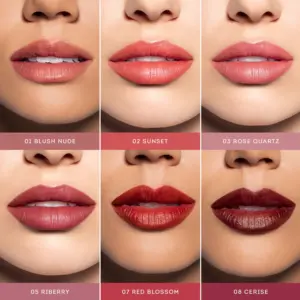
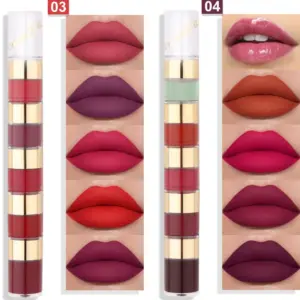
Not all matte lipsticks feel the same. Traditional bullet lipsticks, liquid lipsticks, mousse formulas, velvet mattes, and powder mattes can all produce a non-shiny finish, but they behave differently on the lips.
Ultra-matte liquid lipsticks usually provide the strongest staying power, yet they can also feel the driest. Velvet and mousse formulas tend to feel softer because they remain slightly flexible after application. Matte bullet lipsticks may transfer more than liquid formulas, but many people find them easier to reapply and more comfortable for daily use.
When shopping, look for words such as soft matte, velvet matte, comfortable matte, moisturising matte, or flexible wear. Ingredients including vitamin E, shea butter, squalane, jojoba oil, and certain lightweight emollients may improve comfort, although the complete formula matters more than one highlighted ingredient.
You can compare lip colours and other beauty products through Alahdeen’s Cosmetics Hair & Beauty Products category, especially when sourcing products for a cosmetics shop, salon, or personal collection.
Avoid Ingredients That Irritate Your Lips
Dryness and irritation are not always the same thing. A lipstick may simply feel firm because of its matte finish, while another product may trigger burning, itching, swelling, or persistent peeling.
Fragrance, flavouring, menthol, camphor, and certain cooling ingredients can irritate sensitive lips. Some people may also react to colourants, preservatives, or fragrances that cause no problem for other users. If a particular lipstick repeatedly causes discomfort, stop using it instead of continuing to cover the irritation with balm.
A tingling feeling is sometimes marketed as refreshing or plumping, but it is not always suitable for dry or sensitive lips. Your lip product should not need to burn to work.
Persistent cracking around the corners of the mouth, swelling, bleeding, or a rash that does not improve may need professional attention. In such cases, replacing the lipstick alone may not solve the underlying issue.
Do Not Keep Reapplying Over Dry Layers
When matte lipstick begins fading, many people apply another coat directly over the old one. This may temporarily restore the colour, but it often creates a thick and uneven finish.
For a cleaner result, gently remove loose or patchy areas before reapplying. A small amount of balm can soften the remaining colour, making it easier to tidy without rubbing aggressively. Blot the lips, then apply a fresh, thin layer.
During a long event, you may only need to touch up the centre of the lips rather than applying the product over the entire surface again. This keeps the edges defined while preventing unnecessary buildup.
If your lipstick looks dry but the colour is still intact, lightly tapping a tiny amount of balm over the centre may improve comfort. Use very little, as too much can break down the formula and cause smudging.
Remove Matte Lipstick Gently at the End of the Day
Long-wear lipstick is designed to stay in place, so ordinary face wash may not remove it completely. Scrubbing the lips with tissue or a towel can leave them more irritated than the lipstick itself.
Use an oil-based makeup remover, cleansing balm, or suitable makeup-removing oil to soften the product. Allow it to sit briefly before wiping gently. Repeat the process instead of rubbing harder.
Stay informed with the Alahdeen Blog: https://alahdeen.com/blogs/blogs-list
Once the colour is removed, apply a generous layer of a simple lip balm or ointment. Nighttime is a good opportunity to restore moisture because you are not eating, drinking, or reapplying makeup for several hours.
Avoid peeling loose skin with your fingers. It may be tempting, but it can cause bleeding and delay healing. Consistent moisturising is safer than forcefully removing every rough area.
Should You Wear Matte Lipstick Every Day?
You can wear matte lipstick regularly if your lips remain comfortable and healthy. However, using the driest formula every day may not suit everyone, particularly during cold weather or when the lips are already chapped.
Try rotating between matte, satin, cream, and tinted balm formulas. This allows you to enjoy different finishes while giving your lips more comfortable options on days when they feel dry. You can also reserve strong liquid matte lipstick for events and use softer formulas for work or casual outings.
The right lipstick routine should fit your lips, not just the latest beauty trend. A product that looks excellent for thirty minutes but feels painful for the next six hours is probably not the best everyday choice.
Common Mistakes That Make Matte Lipstick Feel Drier
The most common mistake is applying lipstick directly to peeling lips and expecting the product to hide the texture. Another is using too much lip balm immediately before application, which can cause uneven colour and encourage repeated layering.
Over-exfoliating is equally problematic. Scrubbing the lips every day can weaken the surface and create more sensitivity. Lip licking also makes dryness worse because saliva evaporates and leaves the lips feeling even more dehydrated.
Finally, many people continue using a lipstick even after noticing burning or swelling because they like the shade. No colour is worth ongoing irritation. A similar shade in a more suitable formula will look better because healthy lips naturally create a smoother base.
Key Takeaways
Matte lipstick feels dry because its long-lasting formula usually contains fewer moisturising oils and forms a firm layer over the lips. Existing dehydration, peeling, weather, irritation, and repeated application can make the dryness more noticeable.
Prepare your lips with gentle care, apply balm before makeup, blot away the excess, and use only a thin layer of lipstick. Choose soft-matte or velvet formulas when comfort matters more than maximum transfer resistance. Remove the product gently at night and stop using any lipstick that causes burning, swelling, or persistent irritation.
Conclusion
Matte lipstick does not have to leave your lips cracked and uncomfortable. Its dry feeling usually comes from the same technology that gives it a smooth, non-shiny finish and long-lasting colour. The real difference comes from how you prepare your lips, which formula you choose, how much you apply, and how gently you remove it.
Give your lips regular moisture, avoid over-scrubbing, and do not ignore burning or irritation. On days when your lips already feel dry, choose a softer matte, satin lipstick, or tinted balm rather than forcing an ultra-matte formula to work.
The best matte lipstick is not simply the one that stays on the longest. It is the one that gives you strong colour while still allowing your lips to feel comfortable throughout the day.
FAQs
Why does liquid matte lipstick feel tighter than bullet lipstick?
Liquid matte lipstick often dries into a more transfer-resistant film. This improves staying power but may feel less flexible than a traditional bullet formula containing more waxes and oils.
Can I apply lip balm under matte lipstick?
Yes. Apply a light layer, let it absorb, and blot away the excess before applying lipstick. Too much balm may prevent the colour from setting evenly.
How can I stop matte lipstick from cracking?
Keep your lips moisturised, remove loose flakes gently, avoid heavy layers, and choose a flexible matte formula. Touch up only the faded areas rather than repeatedly covering the entire lip.
Is exfoliating your lips every day safe?
No. Daily scrubbing can cause irritation and sensitivity. Exfoliate only when needed and use gentle pressure.
Why does my lipstick burn my lips?
Burning may be a sign of irritation or sensitivity to an ingredient. Remove the product and stop using it if the discomfort continues.
Is matte lipstick bad for your lips?
Miss Rose Matte lipstick is not automatically harmful. Problems are more likely when the formula is irritating, the lips are already damaged, or the product is removed aggressively.
What should I apply after removing matte lipstick?
Apply a simple, fragrance-free lip balm or ointment that helps seal in moisture overnight.
Elevate Your Look with Premium Matte Lipstick
Offer long-lasting matte color at competitive wholesale prices. Perfect for retailers and beauty businesses—request your free quote today.

Other Articles

What Should Every Beginner’s Makeup Kit Include?
Oily Skin? Here’s How to Choose the Right Makeup Primer