
Fertilizer is one of the most important decisions a farmer makes in every crop season. Seed quality, irrigation, weather, pest control, and land preparation all matter, but if the crop does not get the right nutrients at the right time, yield can suffer badly. This is especially true for major crops like cotton, rice, and sugarcane in Pakistan.
Each crop has a different nutrient demand. Best Fertilizer for Cotton, cotton needs balanced nutrition for vegetative growth, boll formation, and fiber quality. Rice needs proper nitrogen, phosphorus, and potassium management for tillering, panicle development, and grain filling. Sugarcane needs strong and continuous nutrition because it is a long-duration, heavy-feeding crop. Using the same fertilizer plan for all three crops is not a good approach.
Pakistan’s agriculture depends heavily on these crops. The Federal Committee on Agriculture fixed the 2025–26 production target for rice at 9.17 million tons over 3 million hectares, while sugarcane production target was fixed at 80.3 million tons over 1.1 million hectares.
Pakistan’s Economic Survey 2025–26 also reported that sugarcane production increased from 84.24 million tonnes to 89.45 million tonnes, showing the importance of crop management and input planning for large-scale production.
Fertilizer balance is also a serious issue. Pakistan’s Fertilizer Review 2024–25 reported that the nitrogen-to-phosphate use ratio was 3.68:1, while the recommended ratio is 2:1. The same review noted that potash use remains far below requirement, which negatively affects crop productivity.
For farmers, agri-input dealers, and bulk buyers looking to source agricultural products, Alahdeen offers the Agriculture Category and Industrial Supplies Category. These categories can help buyers explore agriculture-related products and compare supplier options in one place.
Why the Right Fertilizer Matters for Cotton Rice and Sugarcane
The right fertilizer matters because every crop removes nutrients from the soil. If those nutrients are not replaced properly, the soil becomes weaker and the crop gives lower yield over time. Fertilizer is not only about making the plant green. It affects root growth, stem strength, flowering, boll formation, grain filling, cane weight, disease resistance, and final crop quality.
Many farmers in Pakistan use more nitrogen because urea gives quick visible results. The crop becomes green, and the farmer feels the fertilizer is working. But too much nitrogen without enough phosphorus, potassium, zinc, sulfur, or organic matter can create imbalance. The plant may look green but still produce weak yield.
For cotton, poor nutrient balance can reduce boll setting and fiber quality. For rice, imbalance can reduce tillering and grain filling. For sugarcane, low potassium can affect cane thickness, sugar recovery, and plant strength. This is why fertilizer planning should be crop-specific and based on soil condition.
Best Fertilizer for Cotton in Pakistan
Cotton is an important cash crop, and its fertilizer requirement changes from early growth to boll development. Farmers should focus on balanced nutrition instead of using only urea. Cotton needs nitrogen for plant growth, phosphorus for root development, potassium for boll formation and fiber quality, and micronutrients such as zinc and boron where soil deficiency exists.
At the early stage, phosphorus is important because strong roots help the plant absorb nutrients and water better. Nitrogen supports vegetative growth, but too much nitrogen can make the crop overly vegetative and may increase pest pressure. Potassium becomes very important during flowering and boll formation because it supports boll strength, fiber development, and crop stress tolerance.

For cotton, commonly used fertilizers may include urea, DAP, NP, SOP or MOP depending on soil need, zinc sulfate, boron, and organic manure. However, the exact dose should be based on soil testing and local agriculture department recommendations.
Cotton Fertilizer Timing
Cotton fertilizer should be applied in stages. Basal fertilizer is usually applied at sowing or land preparation stage to support early root growth. Nitrogen is often split into multiple doses to avoid wastage and support growth at the right time. Potassium should not be ignored because cotton has a strong need for it during reproductive growth.
Farmers should avoid late excessive nitrogen because it can delay maturity and increase unnecessary vegetative growth. Balanced feeding helps the crop focus on boll development instead of only plant height.
Best Fertilizer for Rice in Pakistan
Rice needs careful fertilizer management because it is grown under flooded or moist conditions, where nutrient losses can happen. Nitrogen is important for tillering and leaf growth, phosphorus supports root development, and potassium improves plant strength, disease tolerance, and grain quality. Zinc is also very important in many rice-growing areas of Pakistan because zinc deficiency is common in flooded soils.
Farmers often use urea and DAP in rice, but balanced fertilizer planning should also include potash and zinc where required. If rice plants show pale color, poor tillering, or weak growth, nutrient deficiency may be one reason. However, farmers should not guess only by looking at plants. Soil testing and local field advice are better.
Rice Fertilizer Timing
Fertilizer for Rice should be timed according to growth stages. Phosphorus is usually important at transplanting or early crop establishment. Nitrogen is often split into doses, including early tillering and panicle initiation stages. Zinc may be applied early if deficiency is expected.
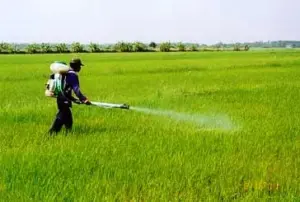
Too much nitrogen can make rice plants soft and more vulnerable to lodging and pest attack. Balanced nutrition helps produce stronger plants, better tillering, and improved grain filling.
Best Fertilizer for Sugarcane in Pakistan
Sugarcane is a heavy-feeding crop because it remains in the field for a long time and produces large amounts of biomass. It needs nitrogen, phosphorus, potassium, sulfur, and organic matter for good growth. Potassium is especially important for sugarcane because it supports cane thickness, juice quality, sugar recovery, and stress tolerance.
Many farmers focus on urea, but sugarcane needs more than nitrogen. A crop that grows for many months requires a steady nutrient supply. Organic manure or press mud can also improve soil condition and support long-term cane growth.
Common fertilizers for sugarcane may include urea, DAP, NP, SOP or MOP, gypsum where needed, zinc sulfate where deficient, and organic manure. The exact fertilizer plan depends on soil test, variety, irrigation, planting method, and yield target.
Sugarcane Fertilizer Timing
Sugarcane fertilizer should be planned from planting to tillering and cane development. Phosphorus is important at planting because it supports root development. Nitrogen should be split into different stages instead of applying all at once. Potassium should be applied according to soil need because sugarcane removes a large amount of potassium from soil.
For ratoon sugarcane, fertilizer management is also important because ratoon crops depend on the remaining root system and need strong early support.
Best Fertilizer Approach for Better Yield
For cotton, rice, and sugarcane, the best fertilizer approach is not simply applying more bags. The best approach is applying the right nutrients at the right time and in the right quantity. Farmers should focus on balanced nutrient use, soil testing, organic matter, water management, and crop stage.
A strong fertilizer plan should include these points:
- Test soil before major fertilizer decisions.
- Use nitrogen carefully and avoid overuse.
- Do not ignore phosphorus at early growth stages.
- Use potassium where soil and crop demand require it.
- Add zinc, boron, or other micronutrients only when needed.
- Apply fertilizer in split doses for better efficiency.
- Use organic manure or compost to improve soil health.
- Avoid applying fertilizer before heavy rain or poor irrigation timing.
- Buy fertilizer from trusted dealers and keep receipts.
- Follow local agriculture department recommendations for your area.
This approach helps reduce waste and improves the chance of better crop response.
Organic Matter and Soil Health Are Also Important
Chemical fertilizers provide nutrients, but soil health depends on more than chemical fertilizer alone. Organic matter improves soil structure, moisture retention, microbial activity, and nutrient availability. In many areas of Pakistan, soil organic matter is low, which affects crop performance.
Farmers can use farmyard manure, compost, green manure, crop residues, and press mud where available. This is especially helpful for sugarcane because it is a long-duration crop and benefits from improved soil condition. Cotton and rice can also benefit from better soil structure and balanced nutrient release.
Organic matter does not replace all chemical fertilizers in high-yield crops, but it improves fertilizer efficiency and long-term soil strength.
Common Fertilizer Mistakes Farmers Should Avoid
One common mistake is using urea again and again while ignoring potash, phosphorus, zinc, and organic matter. This may make the crop green, but it does not always increase yield. Another mistake is applying fertilizer at the wrong stage. If the crop needs nutrients early and fertilizer is applied late, the yield potential may already be reduced.
Some farmers also apply fertilizer without considering irrigation. Fertilizer needs proper moisture to work. If the field is too dry or waterlogged at the wrong time, nutrient uptake can suffer. Another mistake is buying fertilizer from unverified sellers. Fake or substandard fertilizer can damage crop performance and waste money.
Farmers should also avoid copying another farmer’s fertilizer plan blindly. Soil condition, water quality, crop variety, land history, and yield target can be different from field to field.
Where to Buy Fertilizer and Agriculture Inputs in Pakistan
Fertilizers are available through agri-input dealers, distributors, wholesalers, local markets, and B2B platforms. Farmers should always buy from trusted sources because fertilizer quality directly affects crop results. It is better to check packaging, weight, brand, batch details, and receipt before purchase.
For buyers, dealers, and agri-businesses, Alahdeen provides category-based product exploration through the Agriculture Category. Buyers looking for related farm, industrial, and supply products can also visit the Industrial Supplies Category.
These categories can help farmers, traders, and bulk buyers explore relevant products and compare supplier options more easily.
Fertilizer Tips for Cotton Farmers
Cotton farmers should focus on balanced fertilizer use from sowing to boll formation. Phosphorus should support early root development, nitrogen should be applied carefully in stages, and potassium should not be ignored during flowering and boll development. Micronutrients such as boron and zinc may be useful if soil or crop symptoms show deficiency.
Cotton is sensitive to poor timing. Excessive late nitrogen can delay maturity and increase pest issues. Balanced nutrition supports better boll setting, fiber quality, and plant strength.
Fertilizer Tips for Rice Farmers
Rice farmers should pay attention to nitrogen timing, zinc deficiency, and potassium balance. Nitrogen should be split to support tillering and panicle development. Zinc may be needed in many rice-growing soils, especially under flooded conditions. Potassium helps strengthen plants and supports grain filling.
Too much nitrogen can increase lodging and pest pressure. A balanced approach improves plant health and grain quality.
Fertilizer Tips for Sugarcane Farmers
Sugarcane farmers should plan fertilizer as a long-term feeding program. Since sugarcane remains in the field for many months, it needs steady nutrition. Nitrogen helps growth, phosphorus supports roots, and potassium supports cane strength and sugar recovery. Organic matter, press mud, or compost can also support better soil condition.
For ratoon crops, early fertilizer and good irrigation management are important because the crop needs strong regrowth.
FAQ’s
Which fertilizer is best for cotton in Pakistan?
Cotton usually needs balanced fertilizer including nitrogen, phosphorus, potassium, and micronutrients such as zinc or boron where required. Urea, DAP, NP, SOP or MOP, zinc sulfate, and boron may be used depending on soil test and crop need.
Which fertilizer is best for rice in Pakistan?
Rice commonly needs nitrogen, phosphorus, potassium, and zinc where deficiency exists. Urea and DAP are commonly used, but potash and zinc should not be ignored if soil or crop condition requires them.
Which fertilizer is best for sugarcane in Pakistan?
Sugarcane needs strong and balanced nutrition because it is a heavy-feeding crop. Nitrogen, phosphorus, potassium, sulfur, zinc where needed, and organic matter can support better cane growth and yield.
Is urea enough for cotton, rice, or sugarcane?
No, urea alone is not enough. Urea provides nitrogen, but crops also need phosphorus, potassium, micronutrients, and organic matter. Overuse of urea can create nutrient imbalance.
Why is potash important for crops?
Potash supports plant strength, stress tolerance, grain filling, boll development, cane thickness, and quality. Pakistan’s Fertilizer Review 2024–25 noted that potash use is far below requirement, which negatively affects crop productivity.
Should farmers use organic manure with fertilizer?
Yes, organic manure or compost can improve soil health and support better fertilizer efficiency. It is especially useful for long-term soil fertility.
Conclusion
The best fertilizer for cotton, rice, and sugarcane in Pakistan depends on crop type, soil condition, growth stage, irrigation, and yield target. Cotton needs balanced nutrition for boll formation and fiber quality. Rice needs careful nitrogen timing, phosphorus for roots, potassium for strength, and zinc where deficient. Sugarcane needs steady nutrition because it is a long-duration and heavy-feeding crop.
Farmers should avoid relying only on urea. Balanced fertilizer use is more important than simply applying more bags. Soil testing, split application, potassium use, micronutrients where needed, and organic matter can all improve crop response.
Fertilizer is an investment, not just a cost. When used correctly, it can support better yield, stronger plants, and improved crop quality. When used poorly, it can waste money and damage soil balance.
For farmers, dealers, and agri-businesses, Alahdeen helps with agriculture-related product discovery through the Agriculture Category and Industrial Supplies Category. Comparing suppliers and buying from trusted sources can help protect both crop performance and farm investment.
Choose the Best Fertilizer for Cotton, Rice & Sugarcane Crops
Looking for the right fertilizer to maximize crop growth and yield? Connect with trusted suppliers on Alahdeen to find high-quality fertilizers for cotton, rice, and sugarcane at competitive prices.