
Are you planning to stock sleeping masks for your beauty store or online business but unsure which formulas, pack sizes, and suppliers are actually worth buying in bulk?
Sleeping masks have become a useful skincare category for cosmetics stores, salons, pharmacies, online resellers, and beauty retailers because they fit easily into nighttime skincare routines. Unlike a regular face mask that is washed off after a few minutes, a sleeping mask is usually designed to stay on the skin overnight and provide hydration or other cosmetic benefits while the user sleeps.
For retailers, this category can work well because customers often look for easy skincare products that do not require a complicated routine. A good Sleeping Mask for Face can be sold as part of a hydration bundle, glow-care kit, travel skincare set, or overnight routine. However, bulk buyers should not choose stock only because the packaging looks attractive or the supplier offers a very low carton rate. Ingredients, texture, skin compatibility, expiry date, pack size, manufacturer details, and actual customer demand all matter.
Business buyers can use the Alahdeen B2B Marketplace to explore cosmetics and skincare suppliers, request wholesale quotations, compare minimum order quantities, and discuss bulk rates before investing in inventory.
Why Sleeping Masks Can Be Good Retail Inventory
Sleeping masks are relatively easy products for customers to understand. The idea is simple: apply a thin layer as the final step of the nighttime routine, leave it on overnight where the product instructions allow, and wash or cleanse normally in the morning if required.
This makes Sleeping Mask for Face appealing to customers who want low-effort skincare. A buyer may not have time for a 10-step routine, but an overnight mask feels convenient because it works within an existing sleep schedule. That convenience also makes the product easy to market through reels, skincare routine videos, and bundle offers.
For retailers, another benefit is repeat purchase potential. Sleeping masks are consumable products, so customers who like a particular formula may return for another jar or tube. This makes the category more useful than many one-time beauty accessories.
Understand What a Sleeping Mask Actually Does
Most sleeping masks are designed primarily to support hydration, reduce the feeling of dryness, and leave the skin feeling softer or smoother by morning. Some formulas may also be marketed for brightening, barrier support, calming, or improving the appearance of dullness.
A sleeping mask is not automatically a treatment for acne, pigmentation, eczema, or other medical skin conditions. Retailers should describe the product according to its actual cosmetic purpose rather than making exaggerated medical claims.
The American Academy of Dermatology recommends using moisturisers regularly to support dry skin and notes that creams and ointments can be more effective than lotions for holding moisture in the skin. This is useful context because many sleeping masks work by creating an occlusive or moisturising layer over the skin overnight. You can read more in the AAD’s guidance on relieving dry skin.
Hydrating Sleeping Masks Can Be the Safest Starting Category
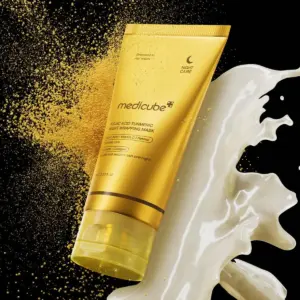
For a new retailer, hydration-focused sleeping masks can be easier to stock than highly active formulas. Customers with dry, normal, or dehydrated skin often look for products containing ingredients such as glycerin, hyaluronic acid, panthenol, ceramides, squalane, aloe vera, or other moisturising components.
Brightening Sleeping Masks Need More Careful Marketing
Some sleeping masks are marketed for glow, dullness, uneven tone, or brightening. These products may contain niacinamide, vitamin C derivatives, botanical extracts, alpha arbutin, or other cosmetic ingredients depending on the formulation.
Retailers should avoid turning the word “brightening” into unrealistic claims such as permanent whitening or changing someone’s natural skin colour. A better approach is to describe the product as supporting a more even-looking, refreshed, or radiant appearance where that matches the manufacturer’s claims. For retailers looking to stock products with strong customer demand, exploring Best Selling Products in Pakistan can also help identify popular items for their inventory.
When the formula also contains exfoliating acids or stronger active ingredients, the product may not be suitable for daily use. Buyers should check the instructions and make sure customers understand how often the mask is intended to be applied.
Check the Ingredient List Before Buying in Bulk
A wholesale buyer should know exactly what is being stocked. Do not depend only on the front label. Ask the supplier for a clear photo of the full ingredient list. Check whether the formula includes fragrance, alcohol, essential oils, exfoliating acids, retinoids, or other actives that could affect sensitive skin.
If the product is marketed as “herbal” or “natural,” still ask for the complete ingredients. Those words do not tell you enough about safety or performance. For retailers, transparent ingredients make customer service easier. When buyers ask whether a mask is suitable for dry, oily, sensitive, or acne-prone skin, staff can give a more informed answer instead of guessing from the product name.
Texture Matters More Than Many Retailers Expect
Sleeping masks can come in gel, cream, balm, jelly, or lightweight lotion textures. Each type appeals to a different customer.
Gel masks may feel lighter and can be attractive for oily or combination skin. Cream-based masks may feel more comfortable for dry skin, while richer balm-like products can suit customers who want more intense overnight moisture.
A very sticky mask may be unpopular even when the ingredients are good, especially if it transfers heavily onto pillows. On the other hand, an extremely light gel may not feel rich enough for customers with very dry skin. Before ordering in bulk, test a sample. Apply it at night, check how quickly it absorbs, whether it pills over other skincare, whether it feels sticky, and how the skin feels the next morning. Retailers can also explore HOT Selling Products to discover popular items that may complement their skincare inventory.
Pack Size Can Affect How Easy the Product Is to Sell
Sleeping masks are available in single-use sachets, small travel pots, medium jars, and larger containers. Single-use sachets can work well for budget customers, travel kits, and trial purchases. Small jars may appeal to people who want to test a product before committing to a larger size.
Medium and larger jars usually provide better value per application and may appeal to regular skincare users. Retailers should consider stocking more than one size only when there is enough demand. Carrying too many nearly identical variants can tie up cash without improving sales.
For online stores, pack size also affects courier cost. A compact tube or jar is easier to ship than bulky decorative packaging.

Tubes Can Be More Hygienic Than Open Jars
Packaging format affects both convenience and hygiene. A tube allows the customer to squeeze out only the amount required without repeatedly touching the rest of the product. Jars can look premium and may be easier for thick formulas, but users often place their fingers directly into the product unless a spatula is included.
If the sleeping mask comes in a jar, check whether a small applicator is provided and whether the lid closes firmly. Wholesale buyers should inspect seals, caps, pumps, and inner lids before ordering. Leaking skincare can damage entire cartons and create customer complaints during courier delivery.
Stay informed with the Alahdeen Blog: https://alahdeen.com/blogs/blogs-list/
Always Check Manufacturing and Expiry Dates
Sleeping masks are skincare products, so expiry control matters. A supplier may offer a very attractive wholesale rate because stock has limited shelf life remaining. This can work only if your business has enough demand to sell the inventory well before expiry.
Ask for current batch photos showing the manufacturing and expiry dates before paying. Do not rely on an old catalogue image. For stock management, use a first-expiry, first-out system. Products with earlier expiry dates should be sold before newer batches.
Retailers should also check whether the texture, colour, or smell changes during storage. Skincare should be kept according to the manufacturer’s recommendations, away from excessive heat and direct sunlight.
Request a Sample Before Ordering a Full Carton
A sample is one of the easiest ways to reduce wholesale risk. Test the packaging, texture, fragrance, absorbency, label quality, and overall presentation. Check whether the product feels pleasant after several hours and whether the container remains properly sealed.
If you are buying for resale, let a few staff members or test customers evaluate the sample where appropriate. Feedback about stickiness, fragrance, packaging, and perceived comfort can help you decide whether the product suits your audience. A low-priced product is not useful if customers dislike the texture or the jar leaks during shipping.
Who Can Sell Sleeping Masks Successfully?
Sleeping masks can fit into several retail channels.
Cosmetics stores can position them beside serums, moisturisers, cleansers, and sheet masks. Pharmacies may stock hydration-focused skincare products when appropriate. Salons can sell them as home-care products after suitable facial services.
Online sellers can market sleeping masks through skincare routines, unboxing videos, before-bed content, and bundle offers. Gift stores can include mini masks in self-care hampers. General beauty retailers can also pair them with lip masks, eye masks, headbands, face rollers, or facial cleansing tools. The important point is to sell the sleeping mask as part of a clear customer need rather than simply adding another random skincare item to the shelf.
Sleeping Masks Can Work Well in Skincare Bundles
Bundling can improve order value, especially for online retailers. A nighttime bundle might include a gentle cleanser, hydrating serum, moisturiser, sleeping mask, and lip balm. A travel bundle may include a mini cleanser, sleeping mask sachet, eye mask, and compact moisturiser.
The goal should be convenience rather than forcing customers to buy several unnecessary products. Bundles also help reduce courier-cost pressure. Selling one low-priced skincare item online can be difficult when delivery charges are high, but combining several related products can make the order more profitable.
Retailers should still make sure the products in the bundle are compatible and do not encourage customers to layer too many irritating active ingredients at once.
Do Not Mix Too Many Active Ingredients
Sleeping masks containing strong acids, retinoids, exfoliating ingredients, or other actives should not automatically be combined with every serum and treatment.
Customers often make the mistake of using exfoliating toner, retinol, vitamin C, brightening serum, and active sleeping mask in the same routine because they want faster results. This can lead to irritation, dryness, or redness.
Retailers should not encourage aggressive routines merely to sell more products. When a sleeping mask is hydration-focused, it can fit more easily into an ordinary routine. When it contains strong actives, customers should follow the product instructions carefully. For sensitive skin, simpler routines often make it easier to identify what irritates.
Sensitive-Skin Customers Need More Options
Retailers can broaden their customer base by stocking at least one fragrance-free or gentle sleeping mask where possible.
Strong fragrance, essential oils, or cooling ingredients may appeal to some customers but can irritate others. Sensitive-skin shoppers often look for shorter, more straightforward formulas.
A sleeping mask marketed as “for all skin types” should still be patch-tested when the customer is prone to irritation. Retailers should avoid promising that a formula can never cause a reaction. Skin responses vary, and even common skincare ingredients can irritate some people.
Oily Skin Can Still Need Hydration
Many customers with oily skin avoid sleeping masks because they assume any overnight product will make their skin greasier. That is not necessarily true. Oily skin can still become dehydrated, particularly when harsh cleansers or acne products are used.
A lightweight gel sleeping mask may provide hydration without the heavy feel of a thick cream. Retailers can therefore stock different textures rather than assuming that overnight masks are only for dry skin.
For acne-prone buyers, non-comedogenic or lightweight formulas may be preferable, but this should be based on the actual product formulation rather than marketing language alone.
Do Not Claim a Sleeping Mask Can Cure Acne
Some products are promoted using phrases such as anti-acne, pore-clearing, or overnight acne treatment. Retailers should be careful with these claims. A sleeping mask may include ingredients that support oily or blemish-prone skin, but persistent acne is a medical skin condition that may require an evidence-based treatment plan.
The American Academy of Dermatology recommends proven acne treatments such as benzoyl peroxide, salicylic acid, retinoids, and other therapies depending on severity. A moisturising sleeping mask may support comfort, but it should not replace appropriate acne treatment.
This is especially important when the customer has painful cysts, scarring, or worsening breakouts.
Wholesale Buyers Should Compare More Than the Unit Price
Suppose one supplier offers a sleeping mask for Rs. 300 per jar while another asks Rs. 340. The cheaper option may appear better until you include damaged units, lower shelf life, weak packaging, and higher courier charges.
Calculate the complete landed cost per sellable unit. Include supplier delivery, taxes where applicable, packaging, defective stock, payment charges, storage, and returns.
For online sellers, advertising and COD return rates should also be included. A slightly higher buying price can produce better profit when the product has stronger packaging, fewer complaints, and better repeat demand.
Start with a Trial Order and Track What Sells
New retailers should not buy a large quantity of sleeping masks simply because the category is trending. Begin with a small order covering one or two clear product types, such as a hydrating gel mask and a richer cream mask.
Track which one customers prefer, which price point converts better, and what questions shoppers ask before purchasing. Once a specific product begins selling consistently, you can increase the order and negotiate stronger wholesale rates.
This approach protects working capital and reduces the risk of ending up with dozens of jars that customers do not recognise or trust.
How Alahdeen Can Help You Find Sleeping Mask Suppliers
The Alahdeen B2B Marketplace helps cosmetics stores, salons, online sellers, pharmacies, and other businesses discover suppliers across Pakistan. Business buyers can explore skincare and personal-care products, contact sellers, request current wholesale quotations, and ask about minimum order quantities, packaging, city availability, and delivery.
You can also explore the Alahdeen blog section for broader guidance on cosmetics sourcing, wholesale buying, skincare, and supplier verification. Alahdeen can simplify supplier discovery, but buyers should still check ingredients, manufacturer details, expiry dates, packaging quality, and samples before placing large orders.
Common Wholesale Buying Mistakes
One common mistake is choosing a sleeping mask only because the packaging looks premium. Attractive jars do not tell you whether the formula is pleasant, stable, or suitable for your customers. Another mistake is buying too much stock before testing demand. Skincare trends can change quickly, and unfamiliar brands may take longer to sell than expected.
Retailers also ignore expiry dates when suppliers offer discounts. A low wholesale rate is not helpful when the stock expires before it can be sold. Another problem is copying exaggerated supplier claims such as “instant whitening,” “permanent glow,” or “cures acne overnight.” These promises can damage customer trust.
Finally, do not stock products without checking the full ingredient list and manufacturer information. Buyers increasingly expect transparency from skincare retailers.
Conclusion
Buying sleeping masks in bulk can be a smart addition to a beauty or skincare business when the products match real customer demand and are sourced carefully. The strongest inventory is not always the cheapest jar or the most viral formula. It is the product that has clear ingredients, suitable texture, dependable packaging, enough shelf life, and a price that leaves room for a healthy resale margin.
For new retailers, start small. Test one or two formulas, listen to customer feedback, and reorder only the products that actually move. Hydrating sleeping masks can be easier to introduce because they fit into many skincare routines without requiring aggressive claims.
If you are sourcing through Alahdeen, use the platform to compare suppliers and request bulk quotations, but still verify each product before committing to a large order. Good skincare retail is built on trust, and that starts with knowing exactly what you are putting on your shelf.
FAQ’s
- What is a sleeping mask for the face?
A sleeping mask is a skincare product generally applied as the final step of a nighttime routine and left on overnight according to the product instructions.
- Which sleeping mask is best for dry skin?
Look for hydration-focused formulas containing ingredients such as glycerin, hyaluronic acid, ceramides, panthenol, or other moisturising ingredients.
- Can oily skin use a sleeping mask?
Yes. Lightweight gel sleeping masks may suit oily or combination skin better than very rich creams.
- Should sensitive skin use fragrance-free sleeping masks?
Fragrance-free or gentle formulas may be easier for sensitive skin, although patch testing is still useful because individual reactions vary.
- Can a sleeping mask remove acne?
A sleeping mask should not be treated as a guaranteed acne cure. Acne may require proven topical or medical treatments depending on severity.
- How often should a sleeping mask be used?
Follow the product instructions. Some are designed for occasional use, while others may be suitable more frequently depending on the formulation.
- What should retailers check before buying sleeping masks wholesale?
Check ingredients, manufacturer details, pack size, texture, expiry date, packaging, minimum quantity, wholesale rate, and supplier replacement terms.
- Are jars or tubes better for sleeping masks?
Tubes can reduce repeated finger contact with the formula, while jars may suit thicker textures. Both can work well when packaging is secure and hygienic.
- Should retailers request samples before ordering?
Yes. A sample lets you evaluate the texture, fragrance, packaging, absorption, and overall customer experience before purchasing larger quantities.
- Where can retailers find sleeping mask suppliers in Pakistan?
Retailers can explore cosmetics wholesalers, skincare distributors, importers, online suppliers, and B2B marketplaces such as Alahdeen.
Stock Sleeping Masks for Face at Wholesale Prices
Buy quality sleeping masks for face in bulk at competitive wholesale prices. Perfect for retailers, resellers, and beauty businesses—request your free quote today.

Other Articles

Where to Buy Delay Spray in Pakistan – Trusted Sellers Only
Best Phone Stand for Every Need – Desk, Bed & Travel