Electricity costs in Pakistan are unpredictable. Over time, they have become one of the biggest financial burdens for businesses across industries. With electricity tariffs reaching nearly PKR 60–65 per kWh, companies are actively searching for long-term solutions to control their energy costs.
This shift has pushed solar energy into the spotlight. From small retail shops to large factories, businesses are no longer treating solar as an alternative option but as a strategic investment. However, understanding the solar panel price in Pakistan remains a challenge due to price variations across brands, system sizes, and supplier margins.
Moreover, this problem is not just restricted to the industries; the residential sector is also affected. According to the PRIED survey, in the residential sector, solar uptake rises steadily as annual electricity expenditure increases only 38% of low-expenditure households (spending up to PKR 15,000 per month) have adopted solar, compared to 88% among high-expenditure households, spending above PKR 50,000 per month.
Keep reading the blog to know more about the price of solar in Pakistan.
Solar Panel Price in Pakistan 2026 Current Market Overview
In 2026, solar panel prices in Pakistan have shown signs of stability compared to previous years, but variations still exist depending on quality, brand, and supply conditions. The pricing structure is generally calculated on a per-watt basis, which makes it easier for businesses to compare options and understand overall system costs.
Tier-1 brands such as Longi and Jinko typically fall in a higher price range due to their efficiency and reliability, while mid-tier and local panels offer more affordable alternatives. However, price should not be the only deciding factor, as long-term performance and durability also play an important role in determining value.
For B2B buyers, pricing is often negotiable. Bulk purchasing and supplier comparison can significantly reduce the overall cost, making it essential to approach buying strategically rather than relying on fixed rates.
Solar Panel Price in Pakistan Based on System Size
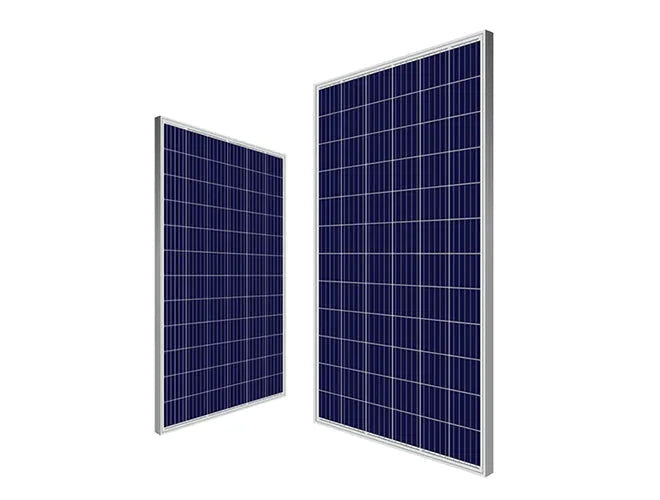
The overall cost of a solar system depends largely on its size, as different setups are designed to meet different energy requirements. A 1kW system is suitable for small offices or limited usage, with a price range of PKR 180,000 to 250,000. While it is a smaller investment, it serves as a starting point for businesses exploring solar solutions.
Alahdeen gives buyers a useful place to explore solar-related product categories and supplier options. Visit the Solar & Renewable Energy Products Category to compare options. For cables, breakers, inverters, batteries, and related electrical products, the Electronics & Electrical Category can also be useful.
A 5kW system is one of the most popular choices among small to medium-sized businesses. It can generate approximately 20 to 25 units per day and costs between PKR 700,000 to 950,000. This setup offers a good balance between cost and output, making it ideal for businesses looking to reduce electricity bills significantly.
For larger operations, 10kW and above systems are the preferred choice. These systems provide higher output and better efficiency, with costs ranging from PKR 1.3 million to 2.5 million or more. At this level, bulk purchasing becomes more effective, as the cost per watt decreases, improving overall value.
Factors That Affect Solar Panel Pricing
Several key factors influence the solar panel price in Pakistan, and understanding them is essential for making an informed decision:
- Panel Efficiency
Higher efficiency panels produce more electricity and usually cost more upfront but provide better long-term output - Brand Category
Tier-1 brands are more expensive due to reliability, performance, and warranty support - Exchange Rates & Import Duties
Since most panels are imported, currency fluctuations and government policies directly impact pricing - System Components
Inverters, mounting structures, wiring, and installation costs add to the total system price - Supplier Margins
Prices can vary significantly depending on whether you are dealing with importers, distributors, or retailers
Best Solar Panel Brands in Pakistan 2026
The solar market in Pakistan is dominated by globally recognized brands that offer strong performance and reliability. LONGi Hi-MO X10 Monofacial Solar Panel is one of the most widely used brands due to its high efficiency and consistent output. Jinko Solar also holds a strong position, offering reliable performance along with solid warranty support.
JA Solar is often preferred by buyers who want a balance between cost and efficiency, while Canadian Solar is known for its durability and long-term reliability. Trina Solar is another well-established brand, widely used in large commercial and industrial projects.
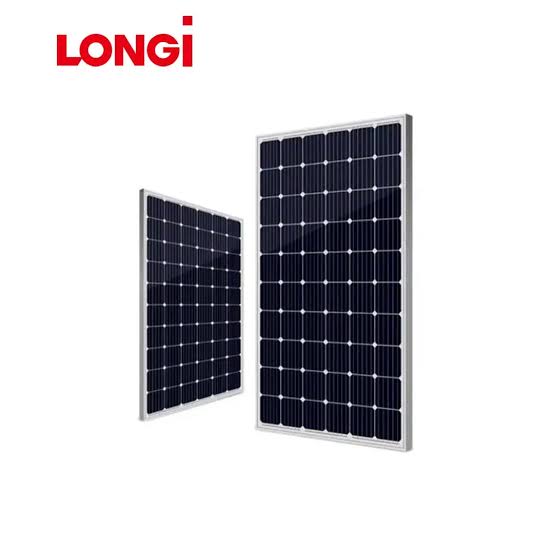
Choosing the right brand depends on your budget and energy requirements. While premium brands offer better long-term value, mid-tier options can also perform well if selected carefully.
B2B Buying Strategy for Solar Panels
For businesses, purchasing solar panels is not just about buying equipment; it is about making a strategic investment. Bulk buying is one of the most effective ways to reduce cost, as larger orders often come with lower per-watt pricing.
Dealing directly with suppliers or importers helps eliminate unnecessary margins, while comparing multiple suppliers improves negotiation power. This approach allows businesses to secure better deals and avoid overpaying.
Platforms like Alahdeen play an important role by bringing multiple suppliers together in one place. This not only saves time but also provides transparency in pricing, helping businesses make informed decisions. Furthermore, if you are looking for direct communication with the supplier, you can easily communicate and negotiate with them without any hurdles.
Understanding Solar ROI for Businesses
Return on investment is one of the biggest reasons businesses are shifting toward solar energy. Instead of viewing it as an expense, companies are now treating it as a long-term financial asset.
For example, if a business currently spends PKR 300,000 per month on electricity and installs a solar system that covers 80% of its usage, it can save approximately PKR 240,000 per month. Over a year, this translates to savings of around PKR 2.8 million.
With system costs ranging between PKR 1.5 to 2 million, the investment can be recovered within 1.5 to 3 years. After that, the savings directly contribute to profitability, making solar one of the most practical investments for businesses.
Role of Net Metering in Cost Reduction
Net metering has significantly improved the value of solar investments in Pakistan. Under NEPRA guidelines, businesses can sell excess electricity back to the grid, reducing their overall energy costs.
This system allows companies to maximize the output of their solar setup. Instead of wasting unused electricity, it can be converted into financial savings or credits.
For businesses with large systems, net metering can even turn solar into a revenue-generating asset, further improving return on investment and making solar adoption more attractive.
FAQs
What is the solar panel price in Pakistan per watt in 2026
It ranges between PKR 30 and 45 depending on brand and quality
Which solar panel brands are best in Pakistan
Longi, Jinko, JA Solar, Trina, and Canadian Solar are among the top options
What is the cost of a 5kW solar system in Pakistan
It typically ranges from PKR 700,000 to 950,000
How does net metering benefit businesses
It allows businesses to sell excess electricity back to the grid, reducing overall costs
How much can businesses save through bulk buying
Businesses can save approximately 10 to 20 percent through bulk purchasing
Conclusion
With rising electricity costs, solar energy has become a necessity for businesses in Pakistan. Understanding the solar panel price in Pakistan is only the first step. The real advantage comes from making informed decisions through comparison, negotiation, and strategic procurement.
Businesses that adopt smarter buying practices and use platforms like Alahdeen gain access to better pricing, reliable suppliers, and faster decision-making. As the market continues to evolve, solar will remain one of the most important investments for long-term cost control and sustainability.

Other Articles

Top 9 Best Ceiling Fan Brands in Pakistan 2026