Solar Plate Price in Pakistan has become one of the most-watched market topics in 2026. Every few days, buyers ask the same question: are solar panel prices going down again, or should we buy now before rates increase? This question is important for homeowners, shopkeepers, offices, factories, farms, schools, clinics, solar installers, and retailers because even a small change in per-watt price can change the total cost of a solar system.
In Pakistan, solar plates are mostly priced by rupees per watt. If the market rate drops by only Rs. 2 per watt, a 5kW solar system can become around Rs. 10,000 cheaper on panels alone. For a 10kW system, the difference can become around Rs. 20,000. For installers and wholesale buyers, this difference directly affects quotations and profit margins.
Pakistan’s solar market has grown at a very fast pace. REN21 reported that Pakistan imported nearly 45 GW of solar panels over the past four to five years, including 17 GW in 2024 alone, which was about twice the volume imported in 2023. This shows how quickly solar demand has expanded across homes, businesses, farms, and off-grid users.
Reuters also reported that Pakistan became one of the world’s major solar panel importers, with rooftop solar adoption increasing because of high electricity tariffs and power outages. The same report noted that rooftop solar generation is expected to exceed daytime grid demand in some industrial regions such as Lahore, Faisalabad, and Sialkot.
For buyers who want to compare solar products and supplier options, Alahdeen offers the Solar & Renewable Energy Products Category. For related products such as inverters, cables, breakers, batteries, DB boxes, and other electrical items, buyers can also explore the Electronics & Electrical Category.
Why Solar Plate Prices Are Dropping in Pakistan
Solar plate prices in Pakistan can drop because of several market factors. One of the biggest reasons is supply. When more imported panels enter the market, competition increases between suppliers. This can push rates down, especially when sellers want to clear stock quickly.
Another reason is global solar module pricing. When international panel prices fall, Pakistani market rates usually follow, although the impact may take time because of shipping, exchange rate, and local stock conditions. Solar panels are heavily linked with global supply chains, especially China-based manufacturing, so global price changes can affect Pakistan’s local market.
Local competition also plays a major role. Many solar importers, wholesalers, distributors, and retailers are now active in Pakistan. When buyers have more options, suppliers have to offer better rates to win orders.
Seasonal demand can also affect prices. During peak summer, demand can increase because electricity bills rise and people want solar quickly. During slower buying periods, suppliers may reduce rates to move stock.
Solar Plate Price in Pakistan 2026: Current Market Direction
Solar Panel Price in Pakistan is usually shown as per-watt rates. Public market trackers in July 2026 listed many solar plates around the high Rs. 30s to low Rs. 40s per watt, depending on brand, wattage, technology, and documentation. For example, some listed N-type, bifacial, and dual-glass panels were shown around Rs. 38 to Rs. 43 per watt, while several 585W to 720W panels were listed with different per-panel prices.
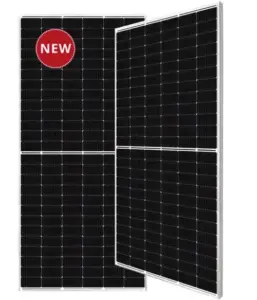
These prices are not fixed. They can change by city, supplier, brand, stock, warranty, delivery cost, and order quantity. Lahore, Karachi, Faisalabad, Islamabad, Rawalpindi, Multan, and Peshawar may not always show the same rate on the same day.
This is why buyers should always confirm the latest wholesale rate before placing an order. Solar plate rates can move quickly, especially when import stock changes or market demand increases.
Alahdeen Wholesale Rate List: Why It Helps Buyers
For solar buyers, the biggest challenge is not only finding a low price. The real challenge is finding a fair rate from a supplier who can provide genuine panels, proper documentation, and reliable delivery. A very low price is not useful if the panel is damaged, undocumented, low-grade, or without warranty support.
Alahdeen helps buyers explore solar-related categories and compare supplier options in one place. This is useful for:
- Solar installers preparing customer quotations
- Retailers planning to stock solar plates
- Contractors buying panels for projects
- Farmers planning solar tube well systems
- Offices and shops comparing solar options
- Homeowners looking for better rates
- Bulk buyers trying to reduce middleman cost
Buyers can start from Alahdeen’s Solar & Renewable Energy Products Category to explore solar products and supplier options. For inverters, batteries, cables, breakers, and other electrical items, the Electronics & Electrical Category is also useful.
What Affects Solar Plate Wholesale Rates?
Solar plate wholesale rates are affected by more than brand name. Buyers should understand the full pricing picture before making a decision.
Brand
Popular brands such as Longi, Jinko, Canadian Solar, JA Solar, Trina, Risen, and others may have different rates because of brand reputation, demand, technology, and warranty confidence.
Wattage
High-wattage panels may have different pricing compared with lower-wattage panels. A 585W panel, 610W panel, 650W panel, and 700W panel will not always have the same per-watt rate.
Technology
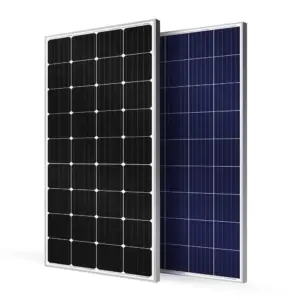
N-type TOPCon, bifacial, dual-glass, HJT, and high-efficiency panels may carry different prices. Newer technologies may cost more, but they can offer better performance depending on installation conditions.
Grade and Documentation
A-grade documented panels are usually safer for long-term use. Undocumented or low-grade panels may be cheaper, but they can create performance and warranty risk.
Stock Availability
If a certain model is short in the market, its price can increase. If suppliers have excess stock, rates may drop.
Order Quantity
Wholesale buyers usually get better rates than small retail buyers. A buyer purchasing a full pallet or container-level stock may negotiate better than a buyer purchasing only two panels.
Delivery City
Transport cost affects the final rate. A panel price may look low, but delivery charges can increase the final cost.
Estimated Solar Plate Price Range in Pakistan 2026
In 2026, solar plate rates in Pakistan are mostly moving around per-watt pricing. Public price trackers show many panels in the range of around Rs. 38 to Rs. 45 per watt, depending on brand and model. Some local listings show Jinko panels around Rs. 44 to Rs. 45.50 per watt, while other market listings show several N-type and bifacial models around the low Rs. 40s per watt.
These are general market indicators, not guaranteed rates. A-grade documented panels, latest technology panels, and high-demand brands may cost more. Pallet rates and bulk buying rates may be better than small retail buying rates.
For updated supplier comparison, buyers should request live quotations from sellers through Alahdeen or other verified channels before finalizing.
Is It the Right Time to Buy Solar Plates?
Many buyers wait for prices to drop further, but waiting can be risky if the market suddenly changes. Solar plate prices can go down when supply is strong, but they can also rise due to exchange rate changes, shipping cost, import conditions, or sudden demand.
If you are buying for personal home use and your electricity bill is high, waiting too long can mean losing monthly savings. If you are an installer or reseller, timing matters even more because stock bought at the wrong rate can reduce profit margin.
A practical approach is to compare current rates, check your budget, calculate system size, and buy when the rate is reasonable and the stock is genuine. The cheapest rate is not always the best decision. A fair wholesale rate with genuine stock is better than a low rate with unclear panels.
Solar Plate Price for Homes in Pakistan
For homes, the solar plate cost depends on system size. A small 3kW system may need fewer panels, while a 5kW or 10kW system needs more panels and higher investment. Many Pakistani homes consider 5kW systems because they can support common daytime loads such as fans, lights, refrigerator, washing machine, water pump, and one inverter AC depending on usage.
If panel prices drop, home solar systems become more affordable. But buyers should not only focus on panels. The complete system also includes inverter, mounting structure, wiring, protection equipment, installation, and sometimes batteries.
Home buyers should choose panels according to roof space, sunlight, shading, inverter compatibility, and future expansion plans.
Solar Plate Price for Shops and Businesses
Shops and businesses often benefit from solar because their electricity usage is high during the day. Solar generation also happens during the day, which makes it useful for reducing grid consumption.
A shop may need solar power for lights, fans, refrigerators, freezers, CCTV, routers, and POS machines. Offices may need solar for computers, printers, lights, fans, and air conditioners. Clinics, schools, warehouses, and commercial spaces can also benefit from daytime solar generation.
For businesses, every rupee per watt matters because system size is often larger than home systems. Alahdeen’s wholesale supplier comparison can help business buyers explore better rates before placing orders.
Solar Plate Price for Farmers and Tube Wells
Farmers in Pakistan are also moving toward solar because electricity and diesel costs can be difficult to manage. Solar plates can be used for tube wells, water pumps, farmhouses, storage rooms, and rural backup systems.
For tube wells, buyers should not purchase panels randomly. The system must be designed according to pump horsepower, water requirement, solar inverter type, sunlight hours, and mounting structure. High-wattage panels can reduce the number of plates required, but proper design is still necessary.
Farmers and agri-business buyers can explore solar sourcing through Alahdeen’s Solar & Renewable Energy Products Category.
How to Get Better Wholesale Solar Plate Rates
If you want better rates, do not buy from the first supplier you find. Compare multiple suppliers, check the same model from different sellers, and ask whether the price is retail, wholesale, pallet rate, or project rate.
Also confirm whether the price includes delivery. Some suppliers quote a lower rate but add transport charges later. Others may offer better panel rates but limited documentation. A good rate should include product clarity, panel grade, warranty support, and delivery terms.
For bulk buyers, negotiation is easier when you know the current market rate. Use public price references as a guide, but always verify live rates because the solar market changes quickly.
How to Avoid Low-Quality Solar Plates
When solar prices drop, some buyers rush to buy without checking quality. This can be risky. Low-grade, damaged, or undocumented panels may look cheaper but can create long-term loss.
Before buying, check:
- Panel brand and model
- Wattage and technology
- A-grade status
- Documentation
- Warranty
- Barcode or serial number
- Supplier reputation
- Physical condition
- Delivery handling
- Invoice details
A solar panel is expected to work for many years. It is better to pay a fair rate for genuine stock than to save a small amount on risky panels.
Why A-Grade Solar Plates Matter
A-grade solar plates are usually preferred because they provide better confidence in performance and warranty. Lower-grade panels may have cosmetic defects, lower output, damaged cells, unclear warranty, or missing documentation.
For homes and businesses, A-grade panels are usually the safer option. For installers and retailers, selling low-grade panels can damage customer trust. A customer may not understand technical details, but they will complain if the system produces less electricity than expected.
This is why wholesale buyers should always confirm grade before purchasing.
Common Mistakes Buyers Make
Many buyers make the mistake of choosing solar plates only by price. A low rate can be attractive, but if the stock is not genuine or documented, it may become risky. Another mistake is comparing different brands and technologies as if they are the same. A bifacial N-type panel cannot always be compared directly with an older monofacial panel.
Some buyers also forget delivery charges, installation cost, mounting structure, and inverter compatibility. Others buy panels without checking roof space or shading. Solar panels must be part of a complete system design.
For business buyers, another mistake is not checking supplier reliability. A good wholesale rate is useful only if the supplier can deliver stock on time and provide proper documents.
Where to Find Alahdeen Wholesale Solar Rate List
Buyers can explore Alahdeen’s solar category to discover solar plates, solar panels, inverters, batteries, cables, and related products. The platform helps buyers compare supplier options and make more informed sourcing decisions.
FAQ’s
Is solar plate price in Pakistan dropping in 2026?
Solar plate prices in Pakistan have shown competitive market movement because of strong imports, supplier competition, and changing global module prices. Rates can drop or rise depending on stock, exchange rate, and demand.
What is the current solar plate price in Pakistan?
Public market listings in July 2026 show many solar plates around the high Rs. 30s to low Rs. 40s per watt, depending on brand, model, technology, and documentation. Buyers should confirm live rates before purchasing.
Why do solar panel prices change so often?
Prices change because of exchange rates, import costs, global module prices, stock availability, brand demand, supplier margin, and city-level delivery costs.
Are wholesale solar plate rates lower than retail rates?
Yes, wholesale rates are usually better for bulk buyers, installers, retailers, and project contractors. However, buyers should still check panel grade, documentation, warranty, and supplier trust.
Where can I get solar plates at wholesale rates in Pakistan?
Buyers can explore solar markets, distributors, importers, and B2B platforms. Alahdeen’s Solar & Renewable Energy Products Category can help buyers compare supplier options.
Should I wait for solar prices to drop more?
Waiting can save money if rates drop, but it can also delay electricity savings. If your bill is high and the current rate is reasonable, buying genuine panels from a reliable supplier may be better than waiting too long.
Conclusion
Solar plate price in Pakistan is moving in a competitive direction because of high imports, strong demand, supplier competition, and global price changes. In 2026, many buyers are watching per-watt rates closely because even a small price difference can affect the total system cost.
For homeowners, lower panel prices can make solar more affordable. For businesses, it can reduce operating cost. For farmers, it can support water pumping and rural power needs. For retailers and installers, wholesale rates can protect profit margins.
The best buying decision is not only about finding the lowest price. Buyers should check panel grade, documentation, warranty, supplier reputation, delivery terms, and system compatibility. A genuine panel at a fair wholesale rate is better than a suspiciously cheap panel with no support.
Get the Best Solar Plate Price in Pakistan Direct from a Wholesale Supplier
Looking for genuine solar plates at competitive wholesale prices? Get in touch with us for the latest Solar Plate Price in Pakistan, bulk order discounts, and a free quotation tailored to your requirements.